|
|
The Wireless Radiation Controversy |
|
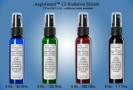
Note: This resource section of the website focuses primarily on the health effects caused, or exacerbated, by wireless radiation frequencies (RF). The adverse health effects associated with radiation exposure were discovered by Wilhelm Roentgen, a German physicist, in 1896, less than one year following the discovery of X-rays. Although the terms cell, cellular, mobile, Bluetooth, Wi-Fi, 1G - 5G, IOT, mmWave, MIMO, beamforming, WAN, LAN, etc., are most frequently associated with the global wireless radiation frequency controversy debated since 1999, the current controversy is relevant for all electrical and wireless products and networks. It is easy to become confused when attempting to comprehend conflicting information about health effects directly attributed to wireless communication products and networks, particularly when it relates to advanced communication devices and networks. News reports describing studies funded by or under the auspices of the industry typically begin with titles such as "No Evidence Found" or "Clean Bill Of Heath." But upon careful examination, there is always a caveat such as "additional studies are required" or "the results are inconclusive." In fact, there has never been a study or report stating wireless products are totally safe, including studies funded by the industry. In fact, industry funded studies always add the caveat "additional studies are required." If you use a cellular phone or any other wireless device, you should be concerned and understand the facts surrounding the controversy, and shield your devices, clothing, home or office with AegisGuard™ L (Life) Series Radiation Shields. They have been the #1 doctor recommended personal RF and EMF protection products in use worldwide since 2006 for hundreds of Shielding Applications, including military, aerospace, manufacturers, hospitals, and individuals suffering from the adverse effects of EHS, IEI-EMF, and ES. The World Health Organization (WHO) / International Agency for Research on Cancer (IARC) issued a press release on May 31, 2011 advising cellular phone radiation may cause cancer, reversing their earlier position assuring consumers that no adverse health effects were established. WHO now includes mobile phone use in their same carcinogenic hazard category as lead, engine exhaust and chloroform. Respected scientists and others involved with the wired and wireless product radiation controversy believe the widespread use of these products is the largest epidemiological experiment in history using unwilling test subjects. Frequently referring to irrefutable evidence confirming the health risks attributed to cell phone and tower radiation and SAR safety standard deficiencies, they cite the failure of any study to prove these products are safe, including studies funded by the industry. In fact, the FDA knew in 1993 that wireless products "can accelerate the development of cancer," according to a report in the February, 2003 issue of Microwave News. Click here for additional information. Despite the risks, manufacturers, carriers and most regulatory agencies insist their products comply with SAR thermal safety standards and therefore are safe. In fact, SAR has never been proven to be a valid measurement for determining the safety of any other wireless product. The use of these standards are being debated globally and it is virtually impossible for cell phone manufacturers to obtain product liability insurance for their products.
[ Home ] [ Products ] [ Shop ] [ Privacy ] [ About ] [ Contact ] [ Site Map ]
Copyright © 2024 Aegis Corporation- All Rights Reserved |